
Obtaining certification in cardiopulmonary resuscitation is a vital step for anyone aiming to enhance their safety knowledge or fulfill professional requirements. In emergency situations, the ability to act quickly and correctly can mean the difference between life and death.
However, not all training programs are created equal. When you begin searching for the right educational provider, it is essential to evaluate several key factors to ensure you receive comprehensive, reliable, and recognized instruction.
By carefully assessing your options, you can find the most effective CPR classes that meet your specific needs and instill the confidence required to save lives.
Accreditation and Certification Standards
The most critical factor to examine is whether the training organization is accredited by a nationally recognized health authority. Reliable CPR classes must adhere to the latest evidence-based guidelines for emergency cardiovascular care.
Before registering, verify that the certification provided is accepted by your employer or the specific industry you serve.
Choosing an accredited program ensures that the skills you learn are standardized, up-to-date, and widely respected by medical professionals and emergency response teams across the country.
Instructor Qualifications and Experience
The quality of your learning experience depends heavily on the expertise of your instructor. Look for programs that employ certified professionals, such as experienced paramedics, registered nurses, or dedicated emergency medical technicians.
A qualified instructor not only teaches the necessary techniques but also shares real-world insights and practical scenarios that textbooks alone cannot provide.
Do not hesitate to ask about the background of the teaching staff, as experienced educators can better facilitate complex concepts and address any specific questions you may have during the training sessions.
Hands-On Practice Opportunities
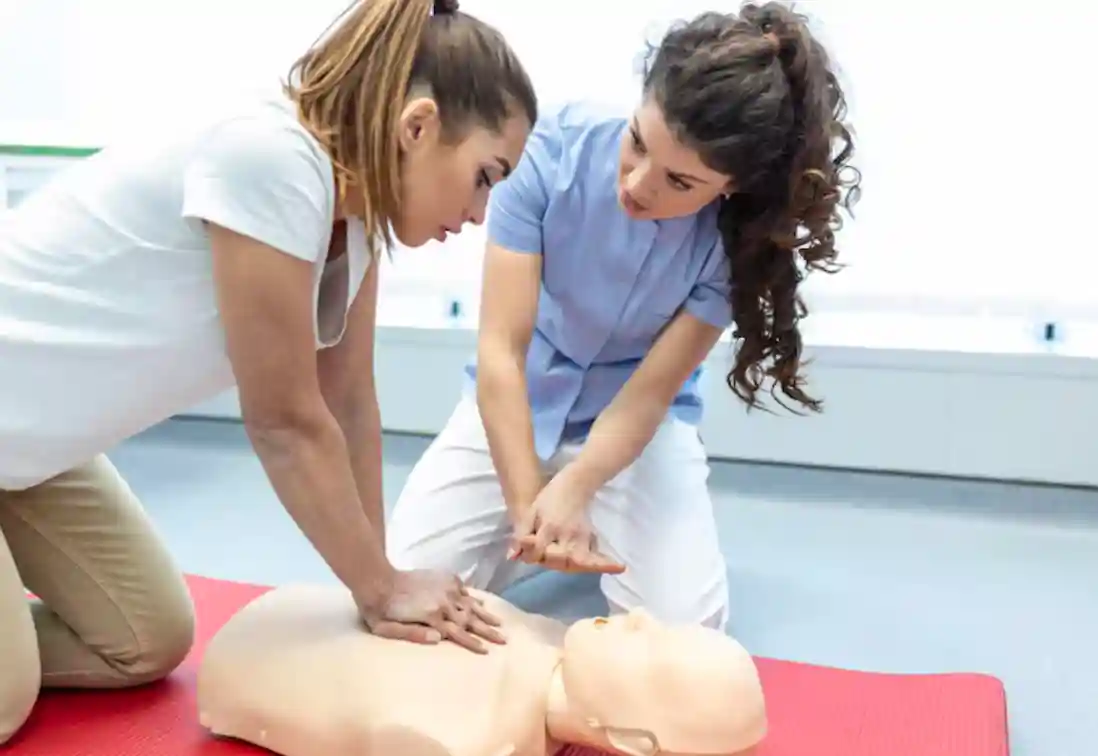
Instruction for life-saving techniques cannot be mastered solely through lectures or online videos. It is imperative that you choose CPR classes that offer a significant amount of hands-on training using modern manikins.
Muscle memory is essential for effective resuscitation, and tactile practice allows you to refine your depth of compression, rescue breath timing, and proper hand placement.
Ensure the curriculum provides ample time for personalized feedback and physical repetition, as this practical approach is the cornerstone of developing genuine competence in emergency response procedures.
Class Size and Student-to-Instructor Ratio
Effective learning thrives in environments where students receive adequate individual attention. Large classes often limit the opportunity for instructors to correct specific errors in technique or answer individual queries effectively.
Therefore, it is advisable to inquire about the student-to-instructor ratio before enrolling. A smaller class size ensures that every participant receives the necessary guidance to perform procedures with precision, leading to a much higher level of confidence when facing a real-world emergency situation.
Course Flexibility and Scheduling
Your busy lifestyle may require a training option that fits seamlessly into your existing commitments. Many providers now offer a blend of online theoretical modules followed by in-person skill evaluations.
When considering CPR classes, evaluate whether the course format aligns with your availability and preferred learning style. Flexibility in scheduling, including evening or weekend sessions, can make the difference between achieving your goal or delaying your certification indefinitely.
Cost and Additional Materials
Finally, consider the overall value of the program rather than just the price tag. While budget is certainly a factor, ensure the cost includes all necessary materials, such as access to textbooks, equipment usage, and the final certification card processing.
Beware of hidden fees or extremely inexpensive options that might cut corners on the quality of equipment or the depth of the curriculum provided. Investing in a comprehensive course is a small price to pay for the invaluable ability to provide life-saving assistance when it matters most.