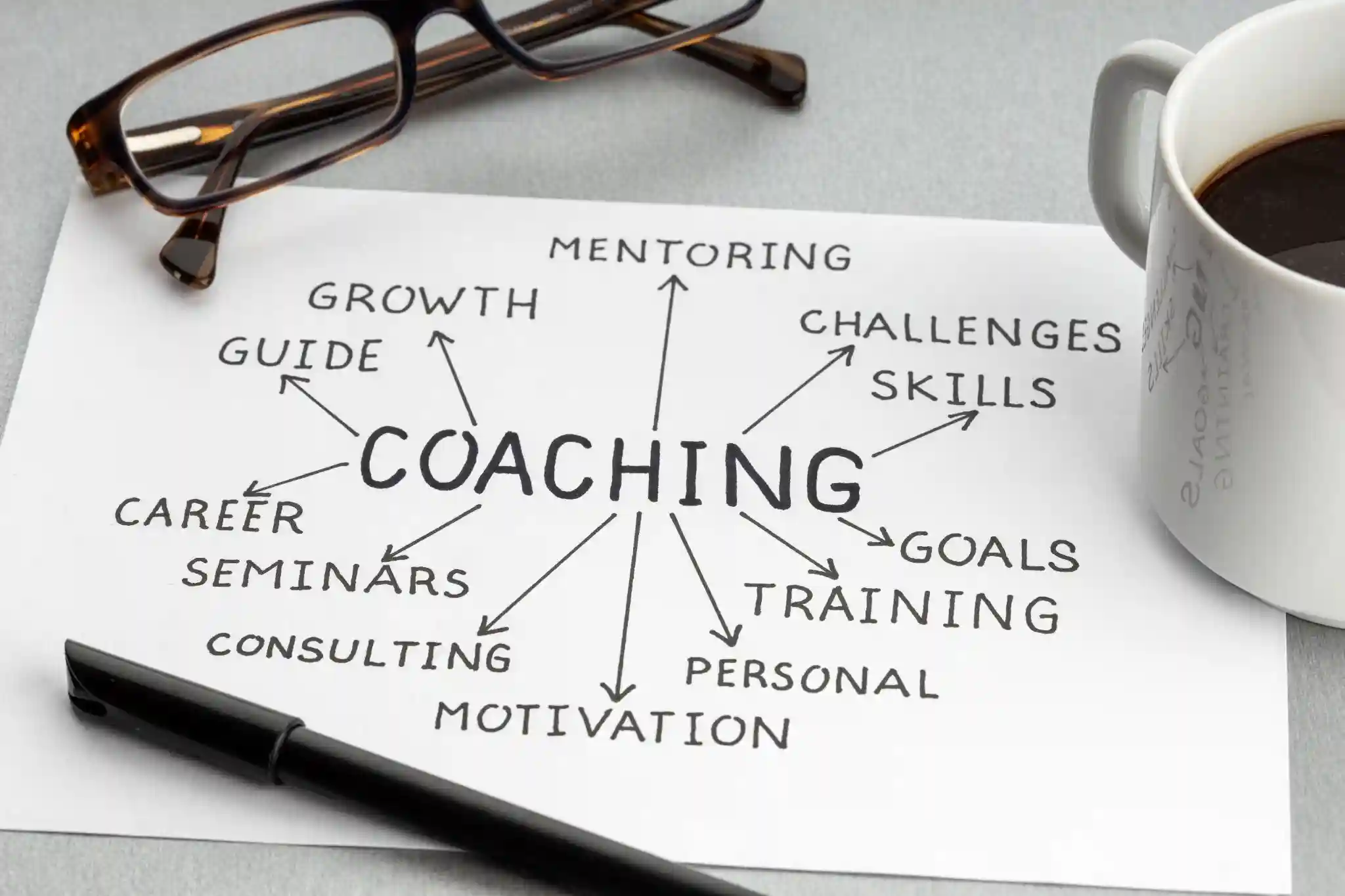

In today’s rapidly evolving job market, the importance of career planning cannot be overstated. With competition at an all-time high, individuals must not only possess the requisite skills but also have a clear strategy for their career trajectory. Career planning serves as a roadmap, guiding professionals through the complexities of job searching, skill development, and networking, ultimately enhancing their employability. In this article, we will explore how effective career planning can significantly improve employability in competitive job markets.
Understanding Career Planning
Career planning is the process of setting personal goals related to one’s career and establishing a path to achieve them. This involves assessing your skills, interests, and values, researching potential career paths, and creating a structured plan that outlines the steps necessary to reach your desired career objectives.
The Importance of Career Planning
Career planning plays a crucial role in helping individuals navigate the complexities of the job market. It empowers job seekers to make informed decisions about their careers, ultimately leading to increased job satisfaction and success. In a competitive environment, having a clear plan can separate you from candidates who lack direction.
Assessing Your Skills and Interests
Before embarking on any career planning journey, it is essential to conduct a self-assessment. Understanding your strengths, weaknesses, interests, and values will help you identify potential career paths that align with your goals.
Self-Assessment Tools
Various tools are available to help individuals assess their skills and interests. Personality assessments, such as the Myers-Briggs Type Indicator (MBTI) or the Holland Code (RIASEC), can provide valuable insights into your personal preferences and work styles. Additionally, skills inventories can help you identify competencies that may be relevant to your desired career.
Real-Life Example: Emily, a recent college graduate, used a skills inventory to identify her strengths in communication and problem-solving. This self-awareness guided her to pursue a career in marketing, where these skills are highly valued.
Researching Potential Career Paths
Once you have a clear understanding of your skills and interests, the next step in career planning is researching potential career paths. This involves exploring various industries, job roles, and the qualifications necessary to succeed in those areas.
Industry Trends and Job Market Insights
Staying informed about industry trends is vital for making informed career decisions. Websites like the Bureau of Labor Statistics (BLS) provide valuable insights into job outlooks, salary ranges, and required qualifications for various professions.
Expert Insight: Career coach Sarah Johnson emphasizes the importance of research in career planning: “Understanding industry trends and job market demands can help you tailor your skills and experiences to meet employer expectations. It’s about positioning yourself effectively in a competitive landscape.”
Setting Career Goals
With a clear understanding of your skills and potential career paths, it’s time to set specific, measurable, achievable, relevant, and time-bound (SMART) goals. These goals will serve as milestones on your career journey and help you stay focused and motivated.
Short-Term and Long-Term Goals
Divide your goals into short-term and long-term objectives. Short-term goals may include completing a certification, gaining relevant experience through internships, or networking with professionals in your field. Long-term goals could involve securing a specific position, obtaining an advanced degree, or achieving a leadership role within your organization.
Real-Life Example: James, an aspiring software engineer, set a short-term goal to complete his coding boot camp within six months. His long-term goal is to secure a position at a leading tech company within two years. By breaking down his objectives, he can track his progress and adjust his plans as needed.
Developing a Skill Set
In a competitive job market, possessing the right skills is essential for improving employability. Career planning should involve identifying the skills required for your desired career path and taking proactive steps to develop them.
Continuing Education and Professional Development
Pursuing additional education, certifications, or training can significantly enhance your skill set. Online learning platforms, such as Coursera and LinkedIn Learning, offer a wide range of courses that can help you acquire new skills relevant to your chosen field.
Expert Insight: Dr. Lisa Green, a workforce development expert, states, “Investing in your education and skill development demonstrates to employers that you are committed to your professional growth. This can set you apart from other candidates who may not have taken the initiative to expand their skill sets.”
Networking and Building Connections
Networking is a critical component of career planning. Building professional connections can open doors to job opportunities, mentorship, and valuable industry insights.
Strategies for Effective Networking
Attend industry conferences, workshops, and seminars to meet professionals in your field. Participate in local meetups or join online forums to engage with like-minded individuals. Utilize social media platforms like LinkedIn to connect with professionals and follow industry leaders.
Real-Life Example: Lisa, a young finance professional, made it a goal to attend at least three networking events each quarter. As a result, she built relationships with industry leaders, leading to valuable job referrals and mentorship opportunities.
Crafting a Compelling Resume and Cover Letter
An essential aspect of career planning is preparing application materials that effectively showcase your skills and experiences. A well-crafted resume and cover letter can significantly impact your employability.
Tailoring Your Application Materials
When applying for jobs, tailor your resume and cover letter to align with the specific requirements of each position. Highlight relevant skills and experiences that demonstrate your fit for the role.
Expert Insight: Resume expert Jane Doe advises, “Employers often receive numerous applications, so it’s crucial to make yours stand out. Tailoring your materials shows that you’ve done your homework and are genuinely interested in the position.”
Preparing for Interviews
Once you secure an interview, effective preparation is essential for making a positive impression. Career planning should involve developing strong interview skills to improve your chances of success.
Interview Preparation Strategies
Research the company and the role you’re applying for to understand its culture and values. Practice answering common interview questions and prepare thoughtful questions to ask the interviewer.
Real-Life Example: Alex, a recent graduate, practiced mock interviews with a mentor before his job interview. This preparation helped him build confidence and articulate his experiences effectively, ultimately leading to a job offer.
Staying Adaptable and Open to Opportunities
In today’s fast-paced job market, adaptability is key. While career planning provides a roadmap, it’s essential to remain open to new opportunities and pivot when necessary.
Embracing Change
Industries evolve, and job demands shift over time. Be willing to reassess your career goals and adapt your plans as needed. Embracing change can lead to unexpected opportunities that align with your skills and interests.
Expert Insight: Career strategist Tom Richards highlights, “The ability to adapt to new circumstances is a valuable trait in any candidate. Employers appreciate individuals who are flexible and can navigate the ever-changing landscape of the job market.”
The Role of Mentorship in Career Planning
Mentorship can be a powerful tool in career planning. Having a mentor can provide guidance, support, and valuable insights based on their experiences in the industry.
Seeking the Right Mentor
Look for mentors who have experience in your desired field and are willing to share their knowledge. They can offer advice on navigating challenges, developing skills, and making informed decisions about your career.
Real-Life Example: Maria, a marketing professional, sought a mentor within her organization. With her mentor’s guidance, she was able to navigate office dynamics and gain insights into career advancement, significantly improving her employability.
Measuring Progress and Reassessing Goals
Effective career planning is not a one-time endeavor. As you progress in your career, regularly assess your goals and achievements. This reflection allows you to stay on track and make necessary adjustments.
Setting Up Regular Check-Ins
Establish a routine for reviewing your career goals. This could be monthly or quarterly check-ins to evaluate your progress and determine if adjustments are needed.
Expert Insight: Career coach Jennifer Smith suggests, “Regular check-ins help you stay accountable and focused on your career aspirations. It’s a chance to celebrate your successes and identify areas for improvement.”
Conclusion
In today’s competitive job market, career planning is essential for enhancing employability. By assessing your skills, researching potential paths, setting goals, and developing a strong network, you can position yourself for success. Embracing continuous learning, adapting to changes, and seeking mentorship can further enhance your career trajectory.
Whether you are just starting your career or looking to make a transition, effective career planning can provide the clarity and direction needed to navigate the complexities of the job market. By investing time and effort into your career planning, you can significantly improve your employability and achieve your professional aspirations.
Frequently Asked Questions (FAQs)
How does career planning enhance employability?
Career planning helps individuals set clear goals, develop relevant skills, and build professional networks, ultimately improving their chances of securing desired job opportunities.
What tools can aid in career planning?
Self-assessment tools, industry research websites, and networking platforms like LinkedIn can significantly assist in effective career planning.
Why is adaptability important in career planning?
Adaptability is crucial as job markets and industry needs change. Being open to new opportunities allows individuals to pivot and seize unexpected career paths.